A federally patented mining asset in Colorado's historic mineral belt — confirmed sphalerite ore, existing underground workings, and extralateral rights extending the mineral estate to unlimited depth.
Inquire about partnership
01 — Securing the Supply Chain
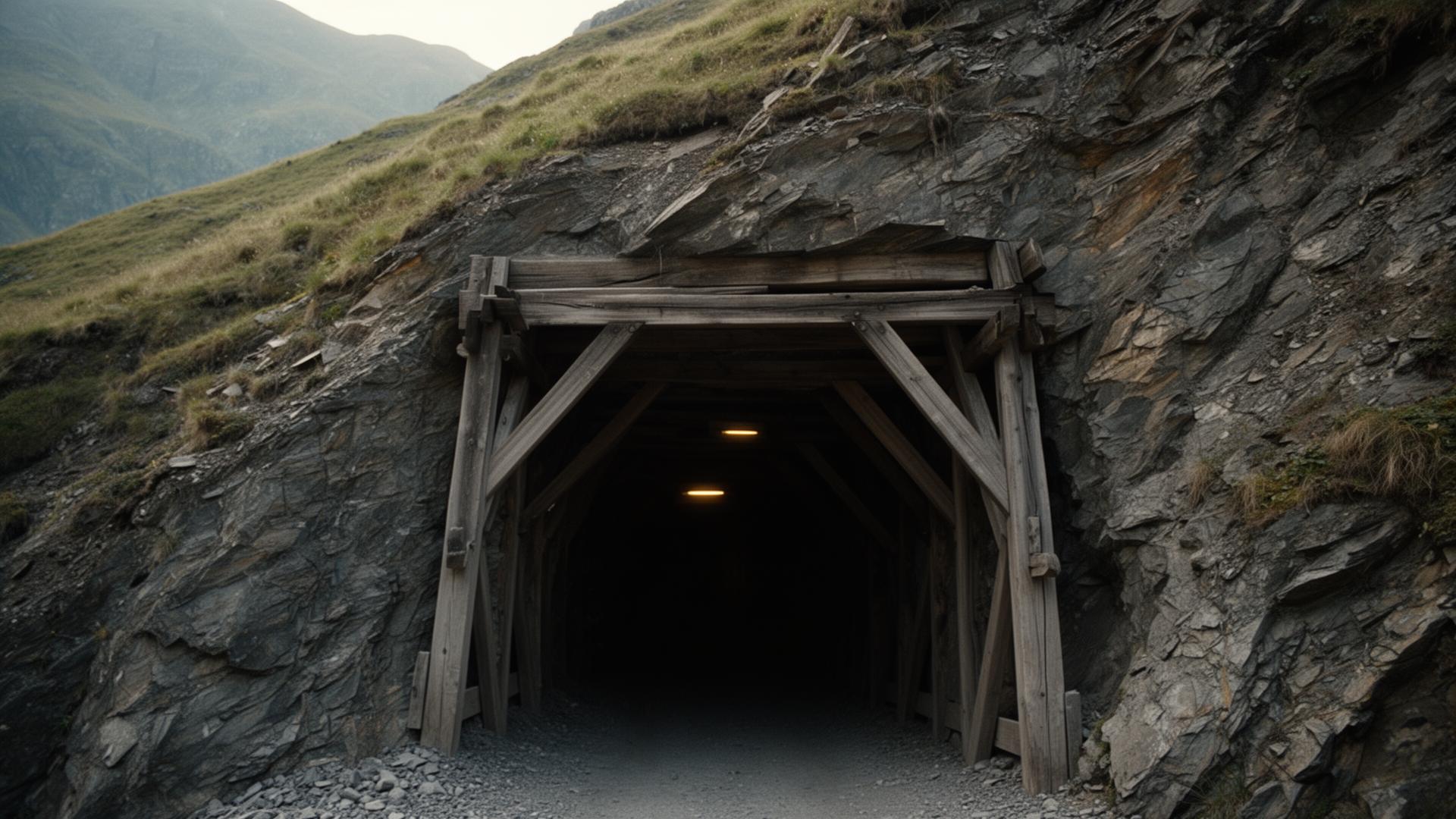
Germanium Lode controls a federally patented mining claim in Colorado's mineral belt — issued under the Mining Act of 1866, recorded with the BLM, with confirmed sphalerite mineralization and existing underground workings.
We are actively engaged with the Department of Defense (DIBC), the Department of Energy (CMMA / AMMTO), and USTDA on the Critical Minerals Partnership.
02 — The Critical Need
Night-vision and thermal imaging for military systems
Backbone of global communications infrastructure
Multi-junction cells for satellites and concentrated solar
Next-generation electronics and radar systems
“Germanium is to infrared optics what silicon is to computers.”
03 — The Asset
Germanium Lode controls a federally patented mining claim in Gilpin County, Colorado — issued under the Mining Act of 1866 and recorded with the Bureau of Land Management. The mineral estate is privately held with no federal reservations.
Issued under the Mining Act of 1866. Full mineral estate privately held. No federal mineral reservations. BLM-recorded with confirmed patent chain.
Patent grants the right to follow the vein “to any depth, although it may enter the land adjoining said claim.” The mineral estate extends well beyond surface boundaries wherever the vein dips.
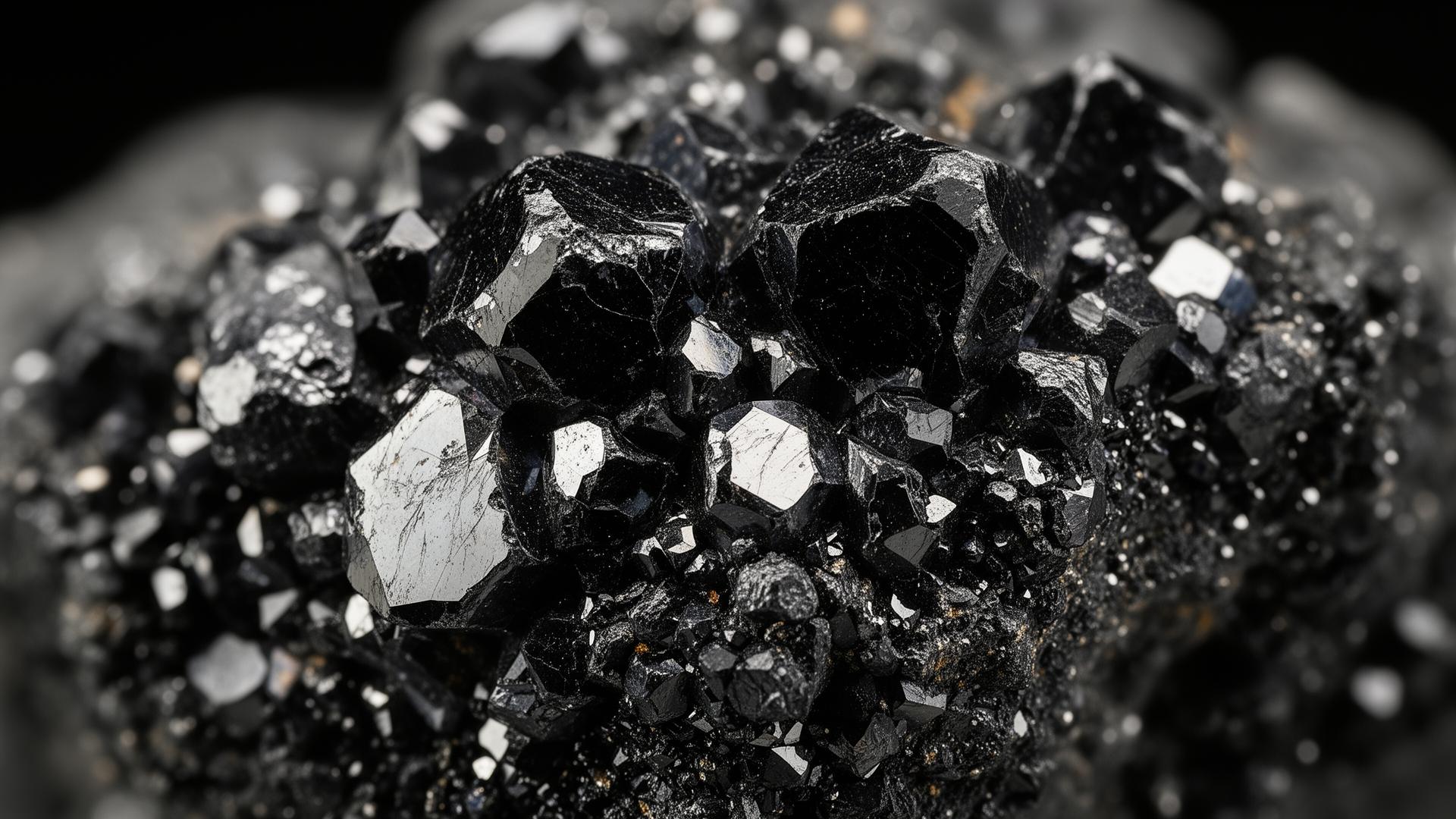
Zinc sulfide (ZnS) vein mineralization confirmed at surface. Sphalerite is the primary host mineral for germanium in base metal districts globally.
Active mine shaft and workings in place from historic operations. Blower ventilation infrastructure confirmed. Direct vein access without new excavation.
Located in the Fourmile Creek critical minerals corridor. USGS Earth MRI surveys document elevated Yttrium, Ytterbium, Gadolinium, and Samarium.
Vein system exposed at surface via a road cut through the full claim width. Surface sampling can commence without excavation, disturbance permits, or federal review.
04 — Minerals Profile
| Host | Confirmed sphalerite (ZnS) on-site |
| Application | Infrared optics, fiber optics, multi-junction solar, semiconductor wafers |
| Supply Risk | China export-controlled since July 2023; U.S. 100% import-dependent |
| Listed | USGS Critical Minerals List · DoD Strategic Priority |
REE & Co-Products — Secondary Streams
05 — Geology
The project is located in the Colorado Mineral Belt — a northeast-trending hydrothermal corridor that produced more than $1 billion in gold, silver, zinc, lead, and uranium from the 19th century through the mid-20th century.
The Central City mining district (Gilpin County) is the most productive camp in the Front Range mineral belt (USGS Professional Paper 359, 1963). Individual vein systems are documented over strike lengths of 1 to 5+ miles, with economic widths maintained at depths exceeding 1,500 feet.
Mineralization was driven by Laramide-age porphyritic intrusions into Precambrian metamorphic host rocks approximately 65 million years ago.
07 — Partnership
We are actively engaged with federal agencies and welcome inquiries from operators, national laboratories, and capital partners.
Open to JV and acquisition discussions with companies bringing underground mining expertise, processing capabilities, or active germanium / REE portfolios.
Project structured as a demonstration site for domestic germanium extraction from sphalerite and REE recovery from tailings. National lab partnerships are a priority.
Phase 1 characterization estimated at $280K–$500K. Unlocks Phase 2 ($2M DOE CMMA) and Phase 3 pilot ($8M–$20M+) funding paths.
09 — Inquire
We are actively engaged with federal agencies and welcome inquiries from operators, national laboratories, and capital partners.
All inquiries are handled personally and held in confidence.